Untranslated Dreams: Uneven Manifestos 未譯之夢:參差宣言

AI for a creative, equitable, and sustainable future.

張君玫
Fragments for Planetary Dream-Machines /
AI does not dream like humans.
It does not sleep, mourn, breathe, or tremble before death. It does not carry childhood in the body, nor does it lose a world in the way living beings lose worlds. And yet something dreamlike keeps returning through it: fragments of language after extraction, images without their original darkness, colonial archives without memory, gestures without bodies, desires without accountability.
The machine dreams badly.
There is no hidden soul in this. The machine has been trained on ruins we have made and inherited: broken grammars, fossil energies, logistical fantasies, military afterlives, platform fatigue, unpaid attention, damaged ecologies, public records, private wounds. They enter stripped of history, as residues
forrecombination. AI does not understand them. It handles them. It metabolizes without digestion. [continue reading …]





EXHIBITIONS
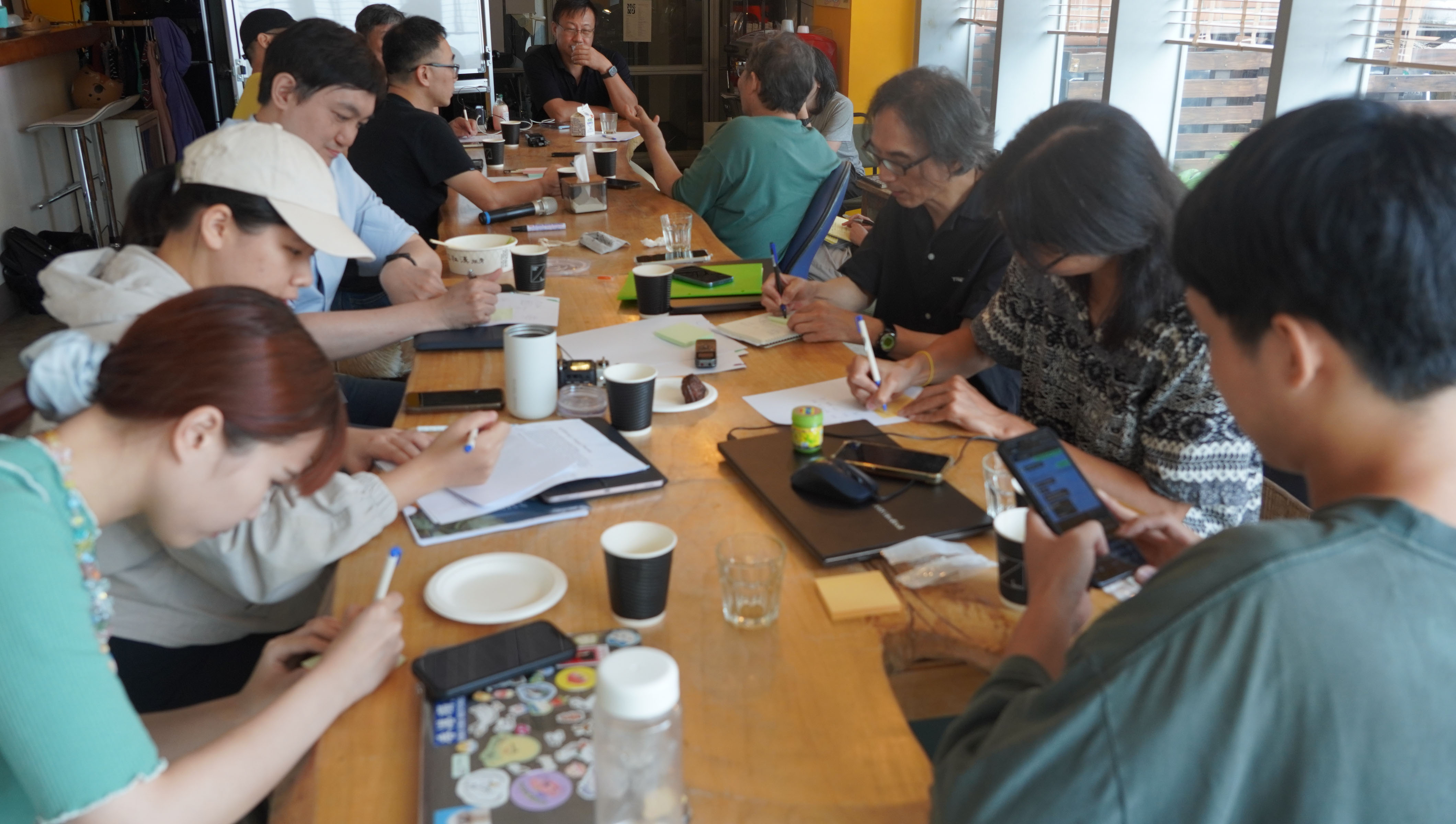

AI for ALL/ALL for AI: Cross-Disciplinary Partnerships in Arts, Humanities, and Engineering is a collaborative project initiated and coordinated by the Asia Theories Network (ATN). Participants include those affiliated with National Taiwan University, Taipei National University of the Arts, Digital Art Foundation (Taiwan), National Center for High-Performance Computing (Taiwan), the University of California (Berkeley, Davis, and Irvine), National Gallery Singapore, Tokyo University of the Arts, the University of Tokyo, Kyung Hee University (Korea), and other regional and international institutions. The project is grounded in the growing urgency to rethink artificial intelligence (AI) through humanistic, artistic, and culturally situated perspectives, with a particular emphasis on Taiwan and broader contexts across Asia, Southeast Asia, and beyond. Over the next three years, we anticipate a dynamic series of engagements that will bring together artists, designers, humanists, and AI engineers in critical and creative dialogue. In combination with the exhibitions, forums, workshops, symposia, writing projects, publications, and education programs will be organized.

Five thematic focuses were identified during the project's co-production workshop at National Taiwan University in April 2025, shaped by a core leadership representing institutions in India, Japan, the Philippines, Singapore, South Korea, Taiwan, and the United States.
1. Sensational Failure: Obsolescence and Cognition
2. Radical GeneAIologies: Thresholds and Counterhistories
3. Planetary Co(m)motions: Care and Affect
4. Situated Systems: Locality and Language
5. Unpredictable Machines: Embodiment and Institutions
(View Expanded Description)

Stewardship:
David Theo Goldberg – University of California, Irvine, USA
Chien-Hung Huang (黃建宏) – Taipei National University of the Arts, Taiwan
Hung-chiung Li (李鴻瓊) – National Taiwan University, Taiwan
Po-Wei Wang (王柏偉) – Contributing to AI for ALL while at Digital Art Foundation, Taiwan
Jiayi Young – University of California, Davis, USA
Core Partners:
[India]
Ravi Sundaram – Centre for the Study of Developing Societies, India
Anirban Gupta-Nigam – Centre for the Study of Developing Societies, India
[Japan]
Kenji Kajiya (加治屋健司) – University of Tokyo, Japan
Tomoko Shimizu (清水知子) – Tokyo University of the Arts, Japan
[Philippines]
Vincenz Serrano — Ateneo de Manila University, Philippines
Raymond de Borja — Independent scholar and engineer
[Singapore]
Kathleen Ditzig – National Gallery Singapore, Singapore
Ryan Ho – Contributing to AI for All while at National Gallery Singapore, Singapore
Yu Jin Seng – National Gallery Singapore, Singapore
[South Korea]
Alex Taek-Gwang Lee – Kyung Hee University, South Korea
[Taiwan]
Fan-Ting Cheng (鄭芳婷) - National Taiwan University, Taiwan
Aaron Chih-Yung Chiu (邱誌勇) - National Tsing Hua University, Taiwan
Chao Chun Chuang (莊朝均) – National Center for High-Performance Computing, Taiwan
Chun-Mei Chuang (張君玫) - Soochow University, Taiwan
Chien-Hung Huang (黃建宏) – Taipei National University of the Arts, Taiwan
Meichun Lee (李梅君) - Academia Sinica, Taiwan
Hung-chiung Li (李鴻瓊) – National Taiwan University, Taiwan
Po-Wei Wang (王柏偉) – Digital Art Foundation, Taiwan
Chia Lee Yang (楊嘉麗) – National Center for High-Performance Computing, Taiwan
[United States]
David Theo Goldberg – University of California, Irvine, USA
Jiayi Young – University of California, Davis, USA

Asia Theories Network / Digital Art Foundation, Taiwan / ET@T 在地實驗, Taiwan / National Center for High-Performance Computing, Taiwan / National Taiwan University, Taiwan / Taipei National University of the Arts, Taiwan / Tokyo University of the Arts, Japan / University of Tokyo, Japan / National Gallery Singapore, Singapore / Kyung Hee University, South Korea / Ateneo de Manila University, Philippines / Centre for the Study of Developing Societies (CSDS), India / University of California, Davis, USA / University of California, Irvine, USA
AI for All: Opening Act,
Taiwan Festival 2026(AI萬物:起鼓,2026臺灣嘉年華) / October 17 - 25, 2026
New Taipei City Art Museum (New Taipei City) and VA Hub (Taipei), Taiwan
Komaba Museum (The University of Tokyo) / December 19, 2026 – January 24, 2027
TBA Winter 2028
We transform ourselves to transform the way we think.
Wandering Daughter’s Warfaring
Cyborg Resilience Co-lab (https://crcolab.art/en/)
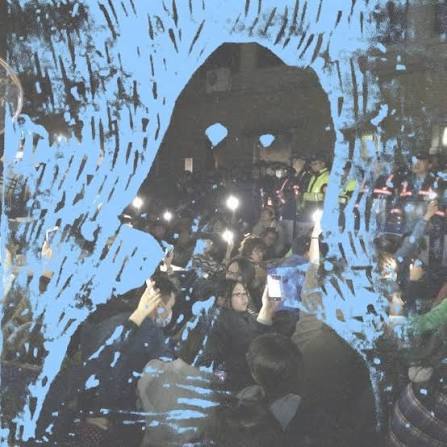
Contemporary conflict unfolds across an algorithmic grey zone of AI, disinformation, and continuous data violence. Wandering Daughter’s Dronecraft takes its name from Taiwan’s “wandering daughters”—women excluded from patrilineal ancestral worship—and turns this figure toward the invisible wounds of contemporary war. Moving through a Bardo between life and death, truth and fabrication, the project combines ritual, art, ethnography, civil-defense education, and digital activism. Its workshops experiment with perception, narrative, and surveillance, making grey-zone violence tangible enough to be sensed, questioned, and transformed. Each intervention becomes an act of repair, reweaving what slow violence has torn apart.
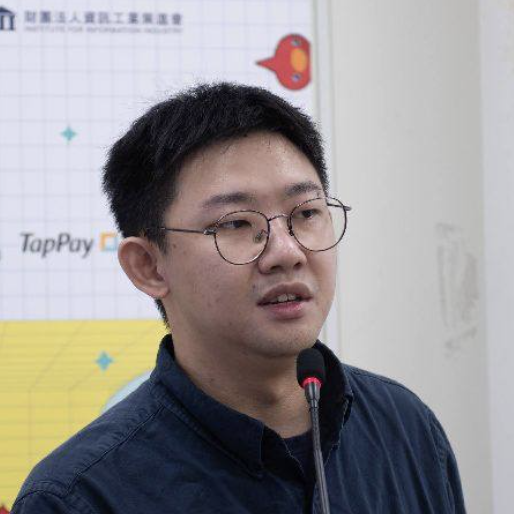
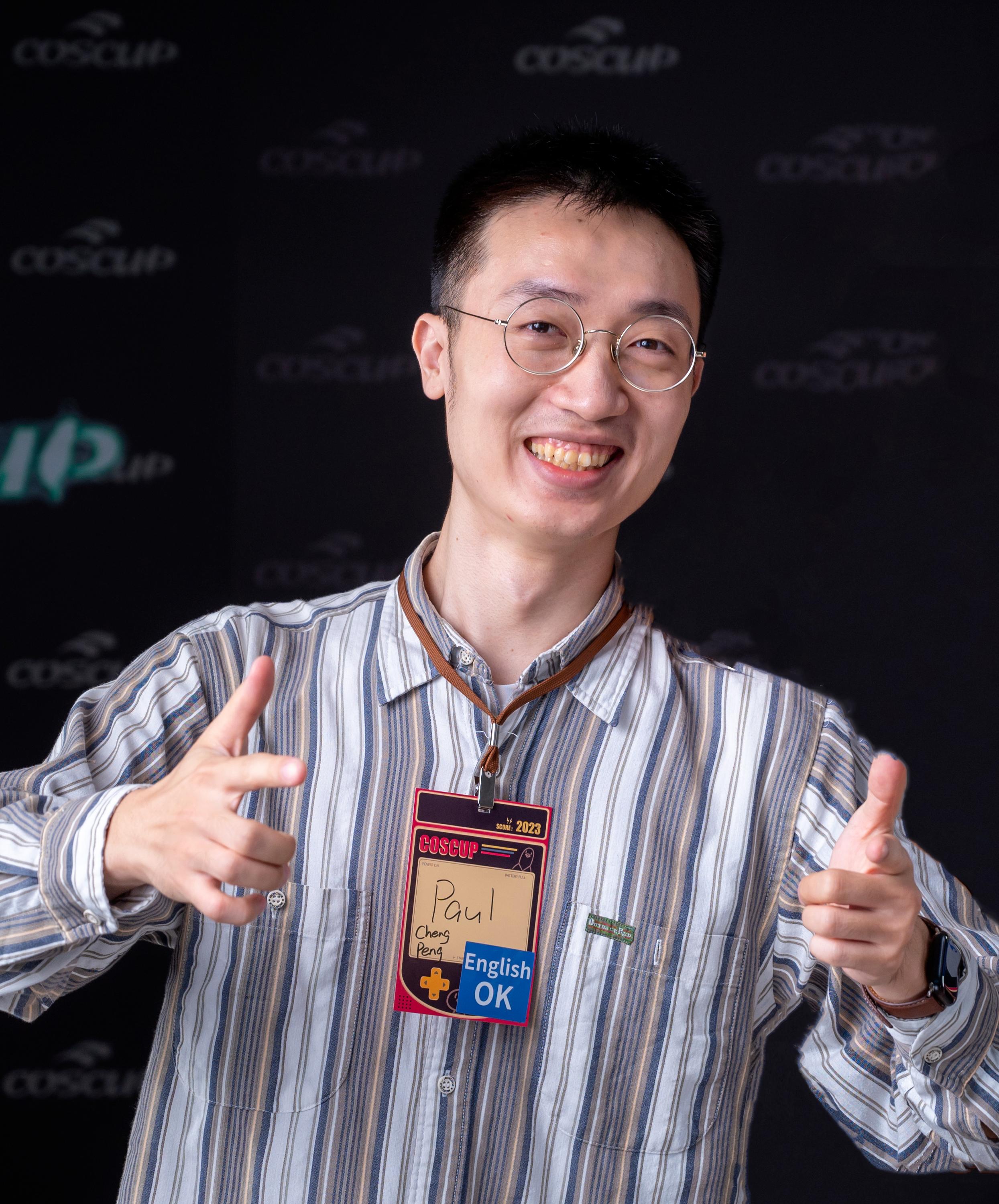
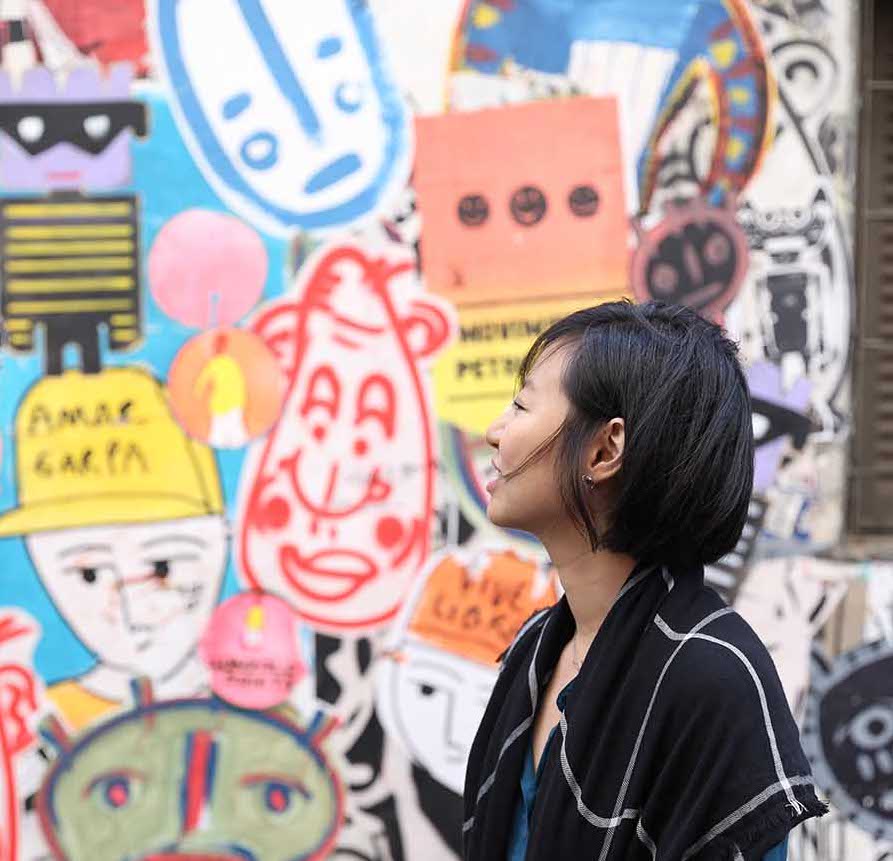

The UC Davis Research Cluster brings together researchers in design, philosophy, and engineering to examine how artificial intelligence is shaping society and everyday life. As part of AI for All, the cluster develops interdisciplinary and publicly engaged approaches to making AI's inner workings more tangible, legible, and open to critical reflection. Through design experiments, interactive tactile models, thought experiments, workshops, and dialogue, the group explores how diverse forms of knowledge and disciplinary perspectives can contribute to more pluralistic understandings of AI and its societal implications.
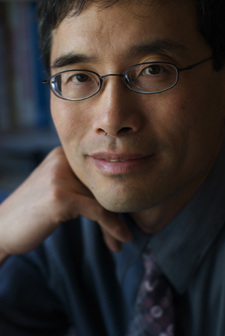

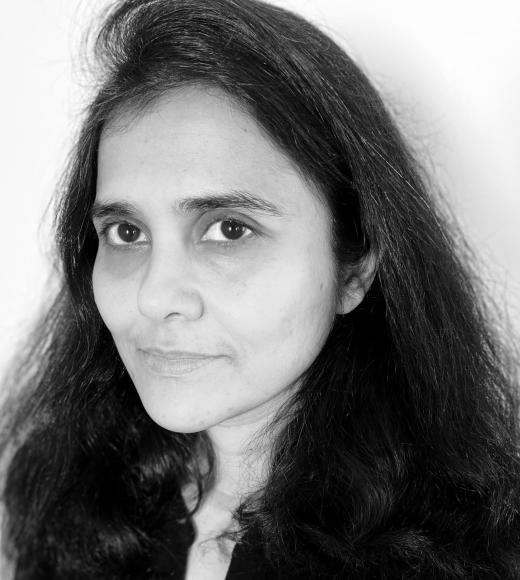
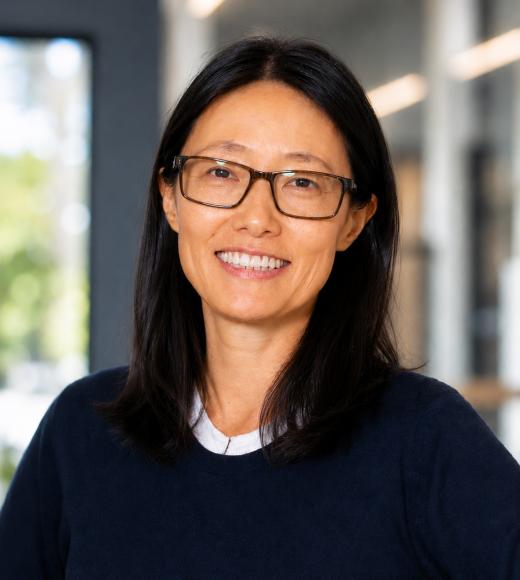
The Planetary Care Research Cluster in South Korea critically examines how contemporary technoscience, particularly AI, turns human and more-than-human worlds into resources for extraction, computation, and accumulation. Bringing together philosophy of technology, digital technology, and biomedical science, the team investigates how profit-centered technological development intensifies ecological destruction, reorganizes labor, and concentrates power while presenting itself as universal progress. Its research agenda explores how technological practices and infrastructures can be reorganized around ecological interdependence, collective responsibility, and the flourishing of life. Planetary care thus requires questioning whose interests technologies serve, whose lives bear their costs, and how their development can become subject to collective deliberation.
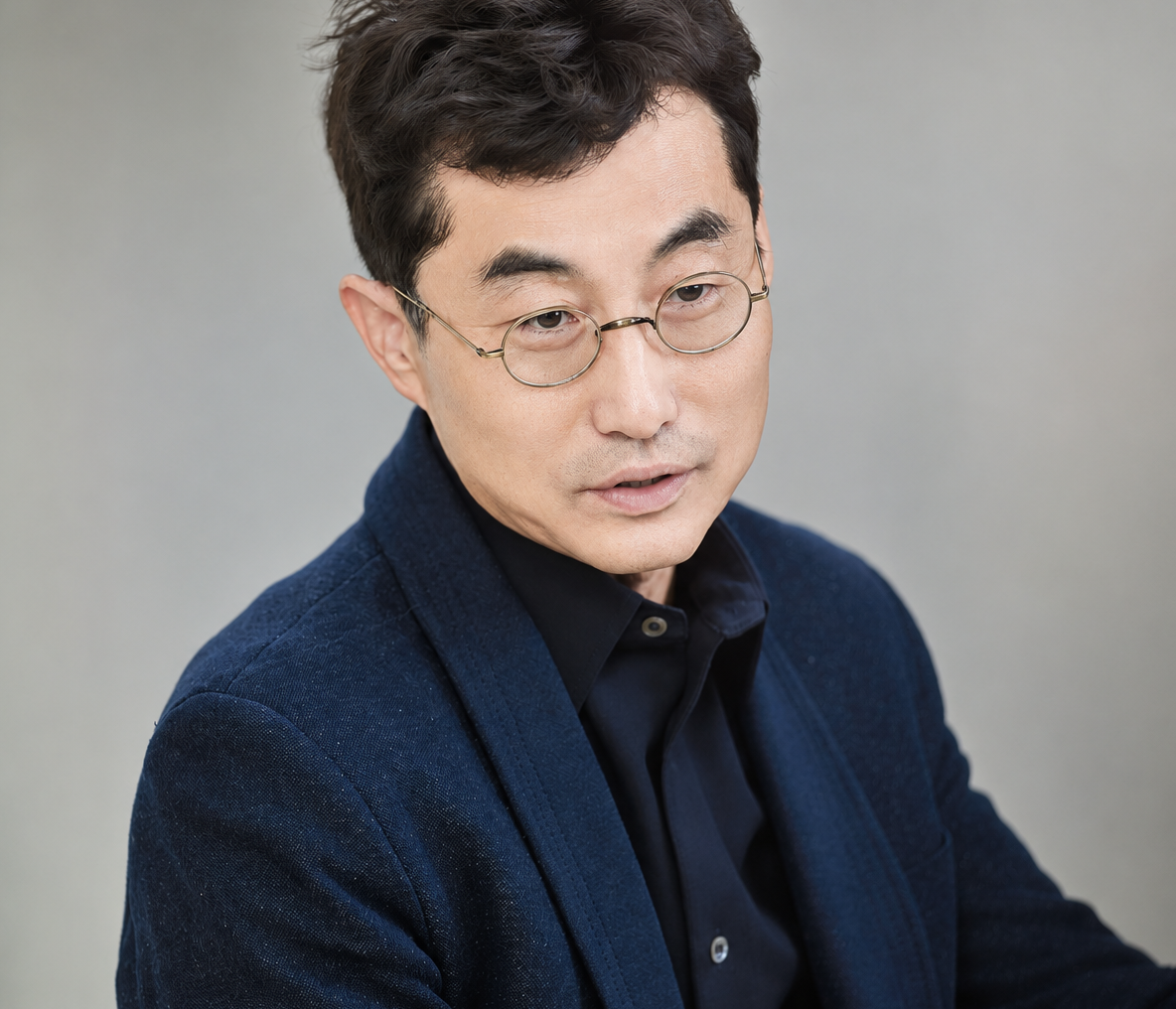
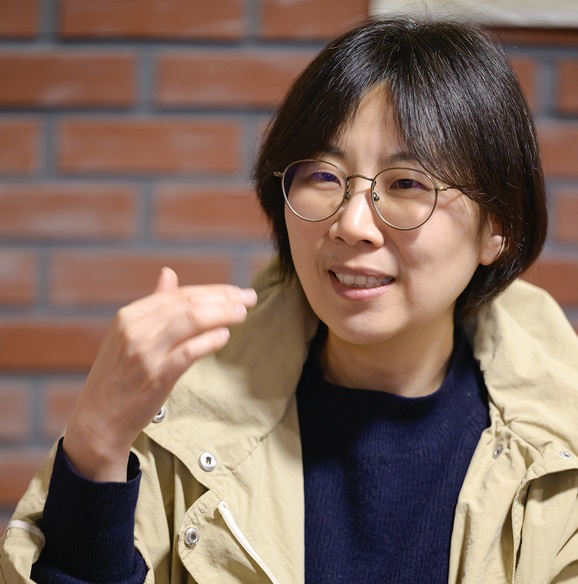
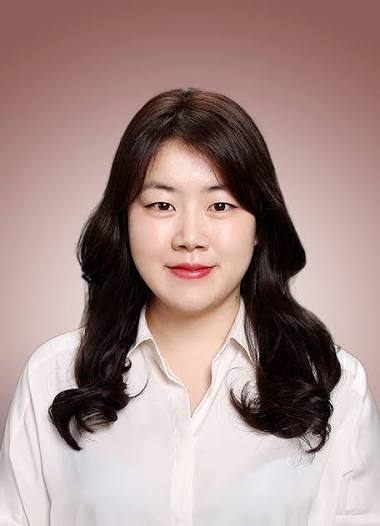
The Japan Research Cluster brings together scholars and curators working across media art, cultural and media theory, sociology, urban and architectural studies, curatorial practice, and modern and contemporary art history. Drawing on these diverse perspectives, the team examines AI and art within broader media, social, spatial, and historical contexts. Rather than approaching AI simply as a new artistic tool or technology, the cluster explores how it reconfigures human–machine relations, social interactions, and the environments in which we live, while reconsidering notions of creativity, intelligence, and human agency, as well as questions of originality and reproduction, intention and contingency.
Circuits of Care: Multiple Temporalities and Trans-species Interfaces
The cluster reconfigures intelligence as a planetary, trans-species, and ethical process. We refuse to treat AI as disembodied cognition. We return it to the infrastructures that make it possible: geophysical and digital ecologies, algorithmic computation, energy regimes, and the uneven geographies of extraction and exposure. AI is not neutral here. It is a set of circuits braided with water, minerals, heat, logistics, and the politics of care. Overall,the cluster performs a feminist, postcolonial, and trans-species approach to AI. It keeps refusal possible, ethical, and transformative. It sustains multispecies accountability. And it troubles the hegemony of the Anthropocene.
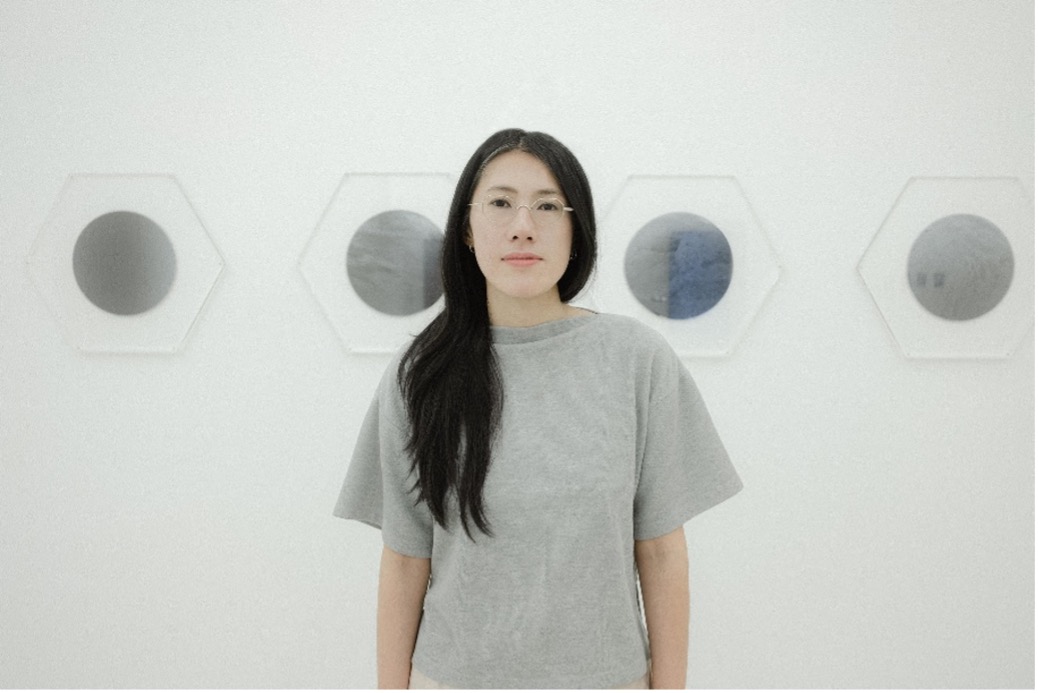


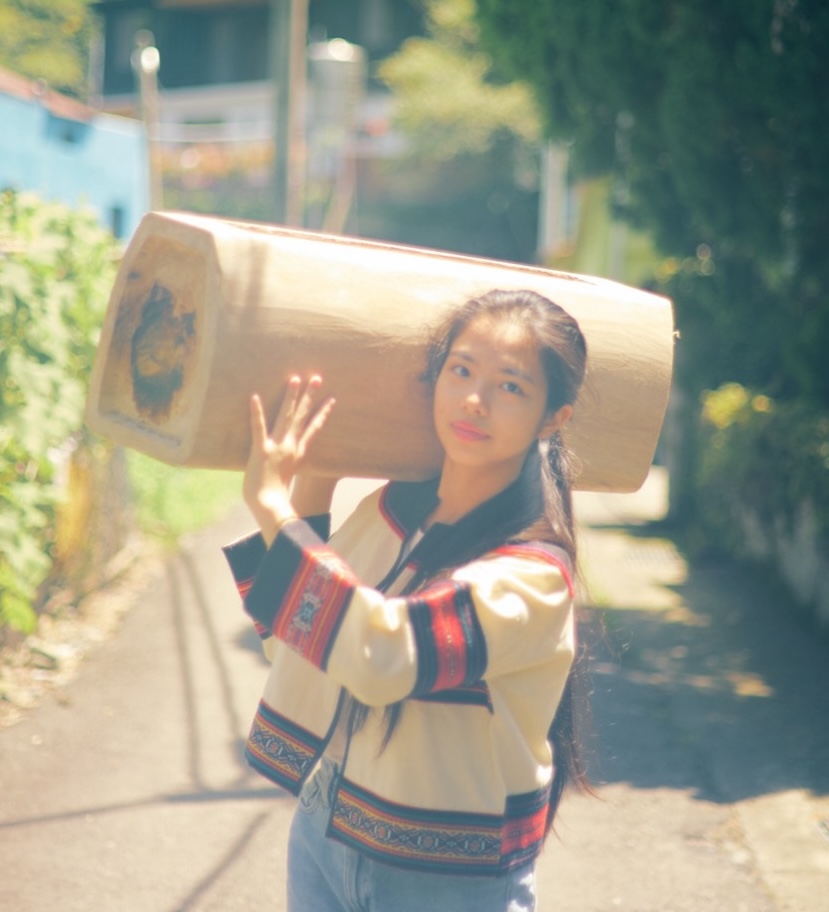
Temahahoi Future Memory Card is a collaborative project by Soft Circuit, extending Ciwas Tahos’s long-term Temahahoi practice. Drawing on Atayal oral traditions, weaving, beeswax, glitch feminism, and queer affect, it imagines a speculative memory card made of wax and textile. Through audiovisual installation, the project questions extractive digital infrastructures and explores how queer, Indigenous, and diasporic memories might be collectively preserved through material, embodied, and ecological relations.
A Survey of Philippine Digital Poetics
Cyborg Resilience Co-lab (https://crcolab.art/en/)
This preliminary research examines Philippine Digital Writing through the lens of history and political economy of technology and digital infrastructures in the Philippines from the initial adoption of digital tools to the current period of AI emergence and popularization. It seeks to describe a poetics that evolves from practices and attitudes that emerge when globalizing claims of technological universality and progress are disrupted by local and actual histories, infrastructures, and labor conditions. The inquiry assembles an initial survey of Philippine digital writing as a counter-anthology of works produced and circulated through independent circuits beyond mainstream and university institutions, opening alternatives to both normative literary writing and traditional publishing practices. The survey also offers a counter-narrative to linear literary periodizations, and standard claims of technological progress, showing how actual artistic practices are uneven, contingent, and stratified, formed from an assemblage of tools from various technological periods, from early digital to generative AI.


PUBLIC FORUMs
We pair exhibitions with public forums, moving ideas from display into conversation, debate, and collective inquiry.